
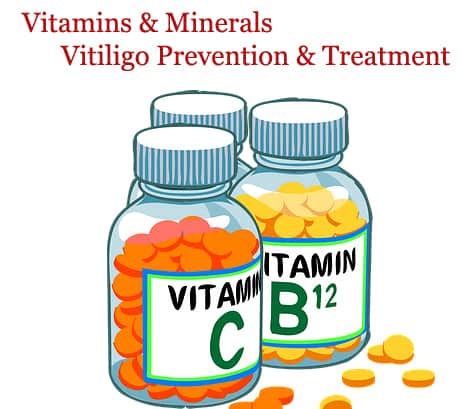
Vitamins for Vitiligo: What Is Reasonable to Try?
Vitamins are one of the first things people ask about after a vitiligo diagnosis. That makes sense. They feel safer than prescription treatment, easier than phototherapy, and more realistic than a lot of the miracle language that floats around this condition.
Still, the helpful answer is not “take everything.” It is “figure out which vitamins are relevant, and why.”
The role vitamins can play
Vitamins can support overall skin health, correct deficiencies, and sometimes fit into a broader vitiligo plan. What they usually do not do is act like a reliable cure by themselves.
That distinction matters because many articles blur the line between:
- “this nutrient is important”
- “some patients are low in it”
- “therefore it treats vitiligo”
Those are not the same claim.
The vitamins most often discussed
Vitamin D
Vitamin D is probably the most practical place to start, especially if your levels are low. It matters for general health, and it also comes up often in autoimmune discussions. If you are specifically choosing a supplement, this guide on vitamin D options is the most useful next step. A popular choice among patients is NatureWise Vitamin D3 5000 IU.
Vitamin B12 and folate
These are often mentioned together because some studies have explored them in vitiligo patients. They are worth knowing about, but they are still better framed as supportive rather than transformative. If your doctor recommends supplementing, vitamin B12 and folic acid are both widely available.
Vitamin C and vitamin E
These get attention because of their antioxidant role. That is biologically interesting, but it still does not mean they have strong stand-alone evidence for repigmentation. If you want to include them, vitamin C supplements are easy to add at low cost.
Zinc and copper
These are minerals rather than vitamins, but they are part of the same conversation because they come up in pigmentation and deficiency discussions. Again, the most grounded use case is correcting a real deficiency rather than taking them blindly.
What I would not promise
I would not promise that vitamins:
- stop vitiligo from spreading
- restart pigment production quickly
- work the same way for everyone
- replace dermatologist-guided treatment
If a page says that too confidently, it is overselling.
A better way to think about vitamins
The most sensible question is not “Which vitamin cures vitiligo?”
It is:
- Am I deficient in anything important?
- Has my clinician recommended a supplement for a reason?
- Am I using supplements to support a broader plan, or as a substitute for one?
That approach saves a lot of wasted money and false hope.
Food still matters, just not in a magical way
A steady, nutrient-dense diet can absolutely help overall health. But many online food rules for vitiligo are overstated, culturally specific, or based on weak evidence. I would be careful about rigid elimination lists unless a clinician has given you a specific reason.
My take
Vitamins can be reasonable. They are just rarely the main event. If they help, they usually help because they support the body more generally, correct a deficiency, or fit alongside a treatment plan that already makes sense.
If you want to go one layer deeper, these are the best next reads:
