
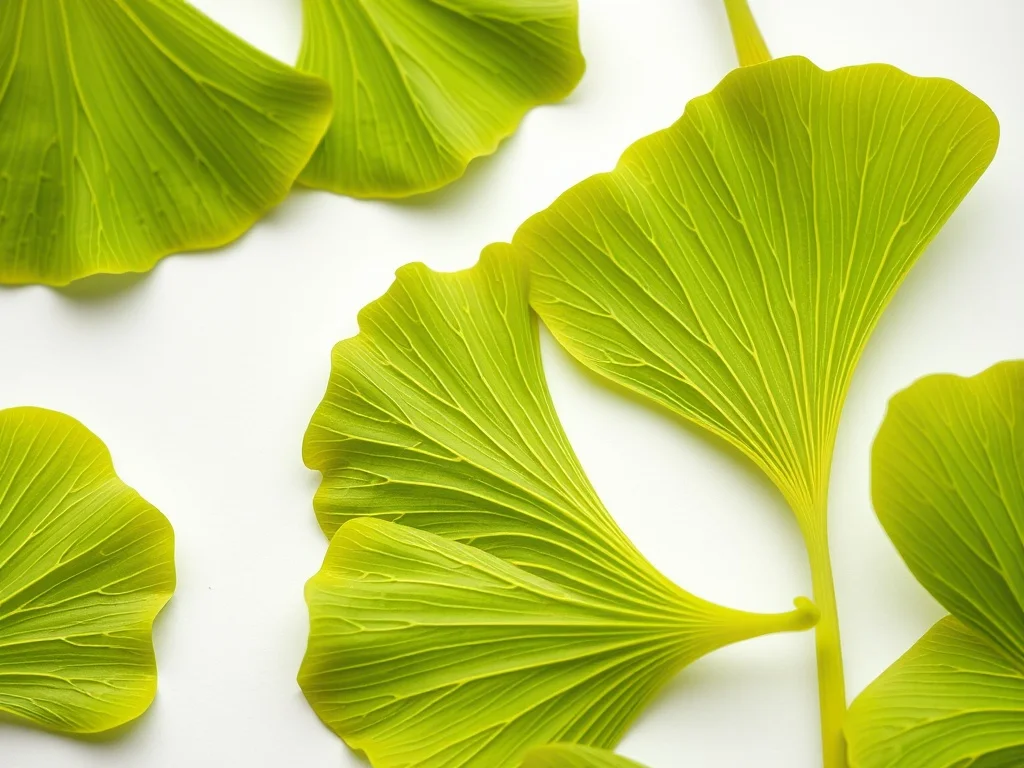
Ginkgo Biloba for Vitiligo: What the Clinical Trials Actually Show
A 2003 double-blind, placebo-controlled trial found that ginkgo biloba significantly slowed the spread of vitiligo compared to placebo. It is one of the very few supplements with a real RCT behind it - which is why dermatologists take it more seriously than most herbal options.
Most supplements discussed in vitiligo get there through wishful thinking - a loosely relevant mechanism, a small animal study, and then a hundred article titles implying it cures the condition. Ginkgo biloba is different. The conversation deserves more precision than most herbal discussions get, and the evidence actually supports that.
Quick facts: Ginkgo biloba for vitiligo
- Main evidence: Parsad et al. 2003 RCT (52 patients, 12 weeks)
- Primary finding: Significantly slowed spread; some repigmentation
- Dose used in trial: 120mg/day (40mg x3), standardised 24% flavone glycosides
- Best use: Adjunct to prescription treatment, not a standalone
- Not suitable for: People on blood thinners, anticoagulants, or SSRIs (interaction risk)
- Realistic timeline: 3-6 months minimum to assess
The study that started the conversation
In 2003, Parsad et al. published a randomized, double-blind, placebo-controlled study in the Journal of Dermatology. The trial enrolled 52 patients with limited and slow-spreading vitiligo.
Protocol: 40mg of standardized ginkgo extract (24% flavone glycosides, 6% terpene lactones), three times daily (120mg total), for 12 weeks.
Results:
- Significant cessation of active spread in the ginkgo group versus placebo
- Some patients showed repigmentation — 10 of 23 ginkgo patients showed marked stopping of spread vs 2 of 24 in the placebo group
- The effect was statistically significant
This is the study most dermatologists refer to when ginkgo comes up in vitiligo conversations. It is small, it was one team, and the 12-week window is relatively short. But it is a real RCT, which puts it ahead of most supplements by a significant margin.
Why ginkgo might work in vitiligo
Antioxidant activity. Ginkgo biloba contains flavonoids and terpenoids that are potent antioxidants. Oxidative stress — particularly H₂O₂ accumulation in the skin — is one of the leading hypotheses for melanocyte damage in vitiligo. Reducing that oxidative burden may give melanocytes a better environment to survive and repopulate.
Anti-inflammatory effects. Ginkgo has documented effects on platelet activating factor (PAF) and some cytokine pathways. Since vitiligo is driven by T-cell-mediated immune attack on melanocytes, dampening inflammatory signaling — even modestly — may slow progression.
T-cell regulation. Some research suggests ginkgo may influence regulatory T-cells and reduce cytotoxic T-cell activity. This is the most relevant mechanistic target for vitiligo, and it is one reason dermatologists take ginkgo slightly more seriously than most herbs.
Who should not take ginkgo biloba
Ginkgo biloba has genuine drug interactions and is not harmless for everyone:
Blood thinners. Ginkgo inhibits platelet aggregation. It should not be combined with warfarin, aspirin (regular use), clopidogrel (Plavix), or other anticoagulants without physician oversight. The bleeding risk is real.
Pre-surgery. Most anesthesiologists recommend stopping ginkgo at least 2 weeks before elective surgery.
Seizure medications. Some evidence suggests ginkgo may reduce the effectiveness of anticonvulsant medications.
Pregnancy. Not established as safe. Avoid during pregnancy.
SSRI/SNRI antidepressants. Potential interaction risk; consult your physician.
If you take multiple medications, run ginkgo biloba past your doctor or pharmacist before starting it. “Natural” does not mean interaction-free.
What dose and form to use
The Parsad study used 40mg three times daily (120mg total) of a standardized extract with 24% flavone glycosides and 6% terpene lactones.
These standardization markers matter. Ginkgo supplements vary enormously in quality. A vague “ginkgo blend” with no standardization figures cannot be assumed to contain the active constituents at clinical doses.
When shopping, look for:
- Standardized to 24% flavone glycosides / 6% terpene lactones
- At least 120mg total daily dose (as in the trial)
- Third-party tested for purity (USP, NSF, or Informed Sport certification)
Standardized 120mg ginkgo extract in the correct form is what you want — not the cheapest grocery store supplement.
Matches the Parsad trial dose
Ginkgo Biloba 120mg (Standardized)
24% flavone glycosides, 6% terpene lactones — the standardization that matters. An unstandardized 'ginkgo blend' can't be assumed to match the trial dose.
Check Price on AmazonWhat realistic expectations look like
Ginkgo biloba in vitiligo seems to work primarily by slowing progression, not by dramatically reversing existing patches. The Parsad study’s main finding was cessation of spread, with some patients experiencing repigmentation.
This means:
- Do not expect large areas of repigmentation within weeks
- Do expect a 3–6 month trial minimum before drawing conclusions
- Combine with sunscreen, which also reduces oxidative stress from UV
- Combine with phototherapy or prescription treatment if your dermatologist recommends it — ginkgo is supportive, not a replacement
If vitiligo is actively spreading, ginkgo alone is unlikely to stop that progression completely. The appropriate response is to escalate to prescription treatment (immunomodulators, mini-pulse steroids, JAK inhibitors) and discuss ginkgo as an adjunct.
How it fits into a treatment plan
Ginkgo biloba is best thought of as a low-risk, low-cost adjunct — something that might contribute at the margins without replacing the main treatment.
A realistic stack for someone pursuing evidence-based vitiligo management:
- Prescription treatment or phototherapy (the main event)
- Vitamin D3 supplementation if deficient (very common in vitiligo patients)
- Vitamin B12 if low
- Ginkgo biloba 120mg/day if tolerated and no contraindications
- Daily broad-spectrum sunscreen on exposed patches
Ginkgo belongs in tier 4 — supportive, not central. If it costs money you would rather spend on a home UVB lamp or dermatologist visit, prioritize those instead.
Frequently asked questions
Does ginkgo biloba help with vitiligo?
The 2003 Parsad RCT found it significantly slowed progression in patients with limited, slow-spreading vitiligo. About 10 of 23 ginkgo patients showed marked cessation of spread vs 2 of 24 on placebo. It appears most useful as an adjunct to other treatment, not a standalone.
What is the correct dose of ginkgo biloba for vitiligo?
The clinical trial used 40mg three times daily (120mg total), standardised to 24% flavone glycosides and 6% terpene lactones. Unstandardised supplements may not contain the same active compounds at effective concentrations.
Can ginkgo biloba cause vitiligo to spread faster?
There is no evidence it does. The trial data shows the opposite effect - it slowed spread compared to placebo.
How long does ginkgo biloba take to work for vitiligo?
The trial ran 12 weeks, which showed measurable effects on spread. For repigmentation, which is slower than stopping spread, allow 3-6 months before assessing.
Beth’s take
Ginkgo biloba is the one herbal option I would mention by name when someone asks about supplements for vitiligo. The RCT from Parsad et al. is real evidence, the mechanism is coherent, and the risk profile is manageable for most people who are not on blood thinners.
That said — one small 12-week study is not the same as “proven treatment.” I would call it encouraging evidence for an adjunct, not a first-line approach.
If you take blood thinners, skip it. If you do not, it may be worth discussing with your dermatologist as a low-cost addition to a broader plan.
For more on supplements and herbal options:
