
Black Pepper and Piperine for Vitiligo: What the Research Actually Shows
Black pepper and vitiligo is one of those search pairings that sounds like pure internet folklore — until you look at the research. Piperine, the alkaloid that gives black pepper its heat, has been studied in legitimate labs for effects on melanocyte function, and some of those findings are genuinely interesting.
The problem is not that piperine is irrelevant. The problem is that “biologically interesting in a lab” has been quietly turned into “rub black pepper on your vitiligo patches” on too many pages. That gap matters, especially when depigmented skin is involved.
What piperine is and why researchers study it
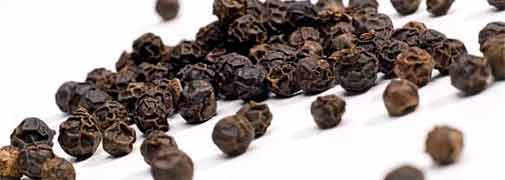
Piperine (1-piperoylpiperidine) is the main alkaloid in black pepper (Piper nigrum). It is the compound responsible for the characteristic heat, and it is also known as a bioavailability enhancer — it inhibits certain metabolic enzymes, which is why it is combined with curcumin and other supplements to increase absorption.
For vitiligo, the interest in piperine is separate from its bioavailability role. The relevant research focuses on its effects on melanocytes and pigmentation.
What the research actually shows
Cell culture and animal studies:
The most cited research involves work from researchers including Ranson and colleagues who found that piperine and its synthetic derivatives could stimulate melanocyte proliferation in cell culture systems. Importantly, some synthetic piperine analogues produced melanocyte stimulation without the UV requirement that characterizes psoralens — which raised the question of whether piperine might be a useful starting point for non-UV pigmentation therapy.
Additional studies have found:
- Piperine appears to activate the MITF pathway (microphthalmia-associated transcription factor), which is a master regulator of melanocyte differentiation and survival
- Some research suggests piperine may inhibit monoamine oxidase and interact with nitric oxide pathways in ways that influence pigmentation
- Animal models have shown some pigmentation response with topical piperine application
In human vitiligo patients:
Here is where the research becomes much thinner. There are no large randomized controlled trials of piperine or black pepper extract in vitiligo patients. A small number of pilot studies and case series have been published, but none have been large enough or rigorous enough to establish reliable efficacy.
The fair summary: piperine is scientifically interesting as a melanogenesis stimulant in preclinical models; evidence for reliable clinical outcomes in vitiligo patients is not established.
The problem with topical black pepper oil
A significant number of alternative health articles recommend applying black pepper essential oil, black pepper extract, or even crushed black pepper directly to vitiligo patches. This is where things can go wrong.
Piperine in isolation vs. whole oil: Black pepper essential oil is not the same as purified piperine. It contains dozens of compounds, some of which are skin irritants and sensitizers. The research on piperine was done with purified or synthesized piperine — not with topical black pepper oil.
Depigmented skin is more vulnerable: Vitiligo patches lack melanin, which functions as a photoprotector and free radical scavenger. Applying irritating or photosensitizing compounds to melanin-depleted skin increases the risk of contact dermatitis, burns, and potentially the Koebner phenomenon — where skin trauma triggers new vitiligo lesions in previously unaffected areas.
No established topical protocol: There is no clinically validated protocol for topical piperine use in vitiligo — no established concentration, no vehicle, no UV combination guide. This makes self-experimentation genuinely risky.
Does eating more black pepper help?
If piperine is the relevant compound, does simply eating more black pepper — or supplementing with piperine — have any plausible effect?
Oral piperine may reach the skin in small amounts through systemic circulation. Some researchers have speculated about this pathway, but the concentrations that reach the skin from dietary sources are far lower than those used in cell culture studies showing melanocyte effects.
Using piperine as an absorption enhancer for other supplements — particularly curcumin, which has poor bioavailability alone — does have evidence. BioPerine (a standardized piperine extract) is commonly combined with turmeric/curcumin supplements precisely for this reason.
If you are taking curcumin supplements for their anti-inflammatory effects, a piperine-containing formula may genuinely improve absorption. That is a reasonable use of piperine.
Expecting oral black pepper consumption to produce visible repigmentation is a much larger claim without supporting evidence.
Piperine vs other approaches for similar goals (melanogenesis support)
If the goal is to support the biological processes that lead to repigmentation, there are better-studied options:
| Approach | Evidence level | Mechanism |
|---|---|---|
| Narrowband UVB | Strong RCT evidence | Stimulates melanocyte migration from follicles |
| Topical calcineurin inhibitors | Moderate evidence | Reduces immune attack on melanocytes |
| Ginkgo biloba 120mg/day | One RCT | Antioxidant; slows progression |
| Vitamin D3 if deficient | Moderate evidence for adjunct role | VDR signaling supports melanocyte function |
| Piperine | Preclinical only | Melanocyte stimulation (cell models) |
Piperine sits at the bottom of that list in terms of evidence for clinical use. It is not pseudoscience — the lab work is real — but it is not at the level where it should be a patient’s primary strategy.
What to actually do if you’re looking for dietary approaches
Dietary approaches to vitiligo that have some basis:
- Correct nutritional deficiencies. Vitamin D and B12 deficiencies are genuinely common in vitiligo patients and have mechanistic relevance. Supplementing what you are actually low in is evidence-based.
- Reduce oxidative stress broadly. A diet high in antioxidants (vegetables, polyphenol-rich foods) reduces the oxidative burden on skin — which is plausible support given the H₂O₂ hypothesis of melanocyte damage.
- Address inflammatory foods if relevant. Some patients notice flares around dietary patterns that increase systemic inflammation. This is individual and not well studied, but worth paying attention to.
Beth’s take
Piperine is more legitimately interesting than most “natural vitiligo cure” ingredients. The preclinical research is real. But there is a large gap between “researchers are studying this compound’s effects on melanocytes” and “apply black pepper oil to your patches and wait.”
Current evidence does not support using piperine as a primary vitiligo treatment in any form. If it shows up in a combination supplement with good absorption-enhancing rationale, that is one thing. If an article is telling you to apply concentrated black pepper to your skin, that advice is ahead of the evidence and potentially counterproductive.
If you want repigmentation, the tools with the strongest evidence are phototherapy and prescription topicals. Everything else — including piperine — is at best adjunct territory.
For next steps that are likely to help:
