
Daivobet for Vitiligo: How the Calcipotriol-Betamethasone Combination Works
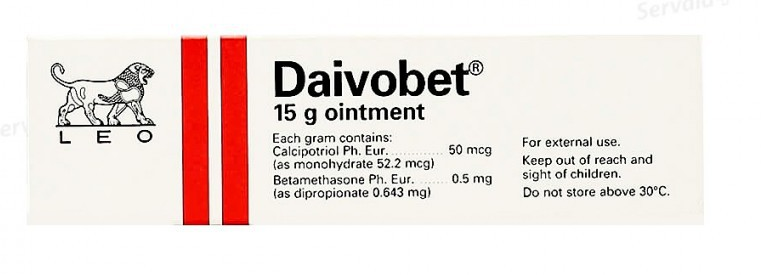
Daivobet is a topical preparation that contains two active ingredients: calcipotriol (a vitamin D analogue) and betamethasone dipropionate (a potent corticosteroid). It is licensed primarily for psoriasis, but dermatologists sometimes use it off-label for vitiligo — particularly when they want to combine immunosuppression with vitamin D receptor activity in a single product.
This page explains what each ingredient does for vitiligo, what the evidence shows, and how it fits into a broader treatment plan.
Why combining calcipotriol and betamethasone makes sense
In vitiligo, the immune system attacks melanocytes — the cells that produce pigment. Effective treatment needs to interrupt that immune attack, create an environment where melanocytes can survive, and encourage repigmentation from hair follicles.
Betamethasone dipropionate — the steroid component — works by suppressing local inflammation and the immune response. It reduces T-cell activity in the skin and decreases the cytokine signaling that drives melanocyte destruction. This is the same rationale as other topical corticosteroids in vitiligo, but betamethasone dipropionate is a potent Class III steroid.
Calcipotriol — the vitamin D analogue — has a separate mechanism. Vitamin D receptors on melanocytes and keratinocytes, when activated, appear to influence melanocyte migration, proliferation, and differentiation. Some researchers also suggest calcipotriol has immunomodulatory effects on dendritic cells and T-cells that complement the steroid action.
The combination of both in one product — rather than alternating between separate creams — potentially delivers overlapping mechanisms without doubling the application burden.
What the clinical evidence shows
Studies specifically on the calcipotriol-betamethasone combination (as Daivobet or its equivalents) for vitiligo are limited but suggest promise:
- A study comparing calcipotriol-betamethasone combination with narrowband UVB found the combination therapy superior to either alone for facial and body vitiligo
- Several small series have reported meaningful repigmentation rates in non-acral vitiligo (face, trunk, extremities — not hands and feet)
- The combination appears particularly effective when used alongside narrowband UVB — the phototherapy stimulates melanocytes to emerge from follicular reservoirs, while the topical suppresses the immune attack that would otherwise destroy them
The honest summary: calcipotriol-betamethasone combination has more rationale and some evidence in vitiligo, but it is off-label use and results vary significantly by site.
Where it tends to work and where it does not
Higher response areas:
- Face (especially around the hairline, eyebrows, perioral area)
- Neck and trunk
- Areas with good follicular density
Lower response areas:
- Hands and feet (acral sites have minimal hair follicles — the source of repigmentation)
- Fingertips and knuckles
- Lips and mucous membranes (not appropriate for steroid application)
- Previously scarred or fibrotic skin
If your patches are primarily acral, Daivobet is unlikely to deliver meaningful results. The conversation with your dermatologist should include whether the site warrants topical treatment or whether phototherapy, excimer laser, or JAK inhibitors are a better fit.
How to use it correctly
Application: Apply a thin layer to the affected patches once or twice daily, as directed. Do not rub aggressively — a thin film is sufficient.
Area limits: Betamethasone dipropionate is a potent steroid. Do not apply to large body surface areas continuously, do not use under occlusion without medical direction, and do not apply to the face for extended periods without monitoring. Unlike milder steroids, potent class III preparations can cause skin atrophy with prolonged use.
Cycle it: A common approach is using it for 4–8 weeks, then taking a break or switching to a calcineurin inhibitor (Elidel or tacrolimus) to limit cumulative steroid exposure. Your dermatologist should set this protocol.
Combine with NbUVB if possible: The research consistently shows that combination with narrowband UVB outperforms topical alone. On phototherapy treatment days, apply the cream after your UVB session, not before — the cream can sometimes block or scatter UV. Confirm the protocol with your dermatologist.
Use sunscreen on treated areas: Treated skin that is responding will start to develop pigment that needs protection. Use SPF 30–50+ broad-spectrum sunscreen on any exposed repigmenting patches.
Side effects and what to watch for
Common:
- Mild burning, itching, or irritation initially
- Folliculitis (inflamed hair follicles) in some patients
Steroid-related (with prolonged use or on sensitive areas):
- Skin thinning (atrophy)
- Striae (stretch marks) with extended facial or skin fold use
- Perioral dermatitis (around the mouth — avoid applying near the lips)
Calcipotriol-related:
- Hypercalcemia risk with very large surface area use — this is very rare but the reason you should not apply it across your entire body simultaneously
If irritation is significant or worsening, stop and contact your dermatologist rather than pushing through.
Daivobet vs separate calcipotriol and betamethasone
Some patients or prescribers use separate calcipotriol ointment and a betamethasone preparation, either alternating or layering. The Daivobet formulation combines them in a fixed dose in a single vehicle, which improves consistency and convenience. If you are prescribed the individual components, the logic is the same — the formulation is just different.
Beth’s take
Daivobet is one of the more interesting off-label topical options in vitiligo because it targets two relevant mechanisms simultaneously. The evidence base is not large, but the mechanistic rationale is solid, and combination with narrowband UVB puts it in a clearly useful tier for non-acral patches.
The key limits: it is a potent steroid and should be used with a protocol, not indefinitely; it tends not to work on hands and feet; and it performs best when paired with phototherapy.
If your dermatologist has mentioned it, ask specifically about which areas they are targeting, what cycle they recommend, and whether you should be combining it with any UV treatment.
For related treatment reading:
