
Ginkgo Biloba for Vitiligo: One of the More Interesting Supplements, Still Not a Sure Thing
Ginkgo biloba is one of the few supplements that gets repeated in vitiligo conversations often enough to deserve a serious look.
That does not mean it is proven in the way patients usually hope. But compared with many other supplement claims, there is at least a reason it keeps coming up.
Why people talk about it
Ginkgo biloba is usually discussed because of its antioxidant effects and the small amount of vitiligo-specific research around it. Some patients and clinicians are interested in whether it might help slow progression or support repigmentation in certain cases.
That is a more cautious claim than saying it “works.”
What the evidence seems to suggest
The fairest summary is:
- ginkgo biloba is more interesting than most random supplements
- there has been some encouraging research
- the evidence is still limited
- it should not be sold as a guaranteed vitiligo treatment
That may sound restrained, but restraint is what makes the advice trustworthy.
Who should be careful
Ginkgo biloba is not automatically harmless just because it is an herb. The biggest concern is usually interaction risk, especially around bleeding and medication use.
I would be cautious if you:
- take blood thinners
- have a bleeding disorder
- are preparing for surgery
- take multiple medications and have not checked interactions
This is one of those supplements where “natural” can create a false sense of safety.
If someone does try it
If a dermatologist or clinician thinks it is reasonable to try, I would still keep expectations moderate:
- think in months, not days
- do not expect it to replace phototherapy or prescription treatment
- stop treating anecdotes like proof
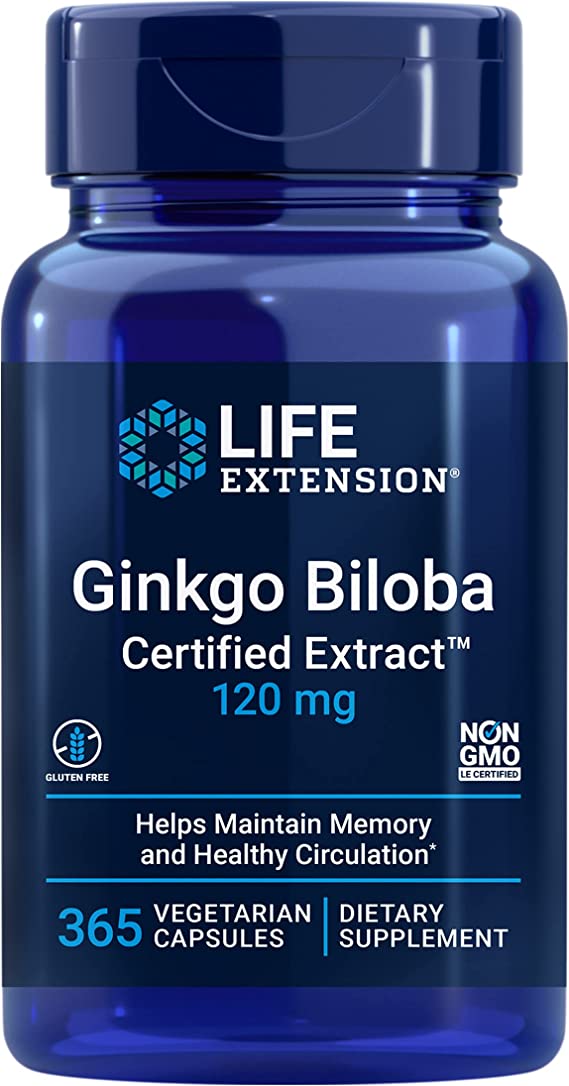
If you are shopping for it, standardized extracts (24% flavone glycosides) matter more than vague “ginkgo blend” marketing. Product quality matters because supplement quality is inconsistent.
My take
If someone asked me which supplement is at least worth reading about, ginkgo biloba would make the short list. But even then, I would treat it as a possible supporting option, not the center of a vitiligo plan.
If you want a fuller product-focused supplement path, continue with:
