
What Is Leukotrichia? White Hair in Vitiligo Patches Explained
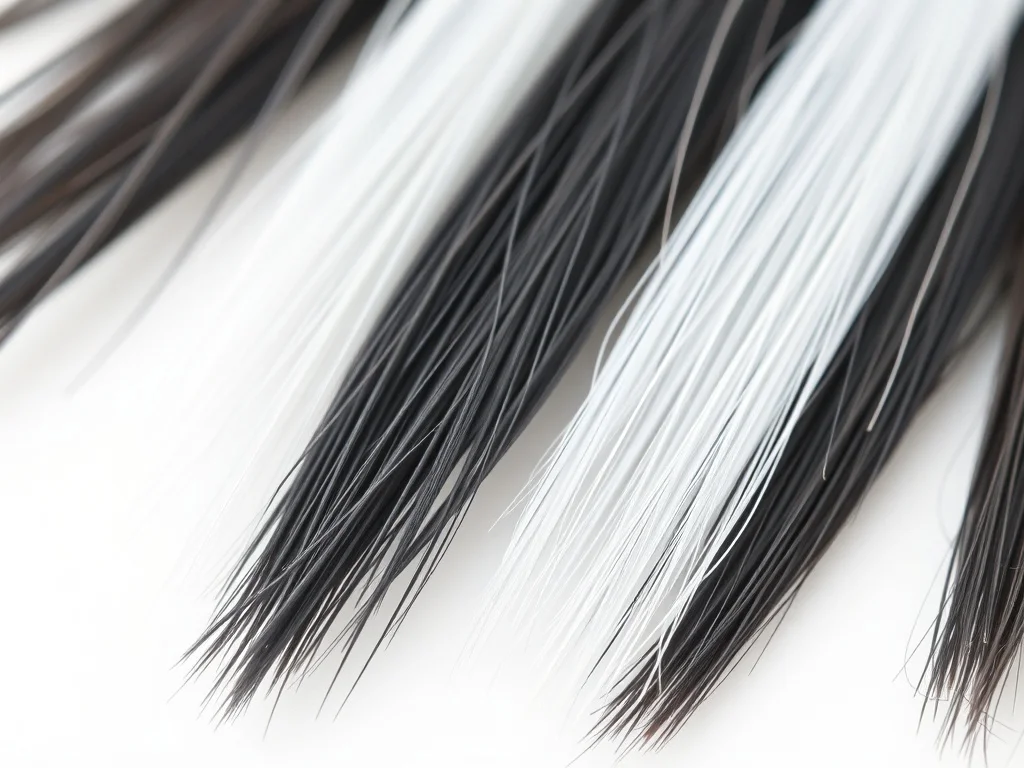
Leukotrichia is the clinical term for white hair within a vitiligo patch. It occurs when the autoimmune process that destroys skin melanocytes also destroys the melanocytes located at the base of hair follicles — causing the hair to grow in without pigment. The word comes from the Greek: leuko (white) + trichia (hair).
Leukotrichia is more than a cosmetic feature. It is a meaningful prognostic indicator that affects the likely response to treatment and the realistic outlook for repigmentation in the affected area.
How leukotrichia occurs
Hair gets its colour from melanocytes located in the bulb of each follicle — at the base of the hair root. These follicular melanocytes transfer melanin to keratinocytes in the growing hair shaft, producing the coloured hair strand. When follicular melanocytes are destroyed by the vitiligo autoimmune process, the follicle continues to produce hair — but without any melanocyte to colour it, the hair grows in white.
Leukotrichia indicates that the autoimmune attack has penetrated into the hair follicle itself, not just the overlying skin. This is significant because of the role hair follicles play in repigmentation.
Why follicles matter for repigmentation
In normal skin, melanocytes live in two compartments:
- Epidermal melanocytes in the basal layer of the skin surface
- Follicular melanocytes in the outer root sheath and bulge of hair follicles
When a vitiligo patch forms, the epidermal melanocytes are destroyed. But the follicular melanocytes — particularly those in the protected bulge region of the follicle — often survive longer. These surviving follicular melanocytes are the primary reservoir from which repigmentation occurs.
When phototherapy or topical treatment stimulates the skin, it activates these follicular melanocytes to proliferate and migrate outward into the depigmented epidermis. The visible result is perifollicular repigmentation — the small dots of colour that appear around hair follicle openings as the first sign of treatment response.
When leukotrichia is present, the follicular melanocytes have been destroyed. The reservoir for repigmentation is gone. There are no melanocytes to migrate and repopulate the patch, regardless of how much phototherapy or topical stimulation is applied.
What leukotrichia means for prognosis
In a patch with leukotrichia:
- Phototherapy and topical treatments are unlikely to produce meaningful repigmentation, because there is no melanocyte reservoir to activate
- The remaining option for repigmentation is surgical — physically transplanting new melanocytes into the affected area
- Stability and camouflage management become the realistic goals of non-surgical treatment
In a patch without leukotrichia (pigmented hair remaining in or adjacent to the patch):
- Follicular melanocytes are present and (potentially) activatable
- Phototherapy and topicals have a meaningful chance of producing repigmentation
- Early intervention before leukotrichia develops gives the best prognosis
Partial versus complete leukotrichia
Not all patches have uniform leukotrichia. A common finding is partial leukotrichia — some hairs within the patch are white, others remain pigmented. This mixed picture is prognostically intermediate:
- Areas with pigmented follicles may respond to treatment
- Areas with white follicles are less likely to repigment through medical treatment
- The pigmented follicles act as sources of melanocytes that may seed into adjacent areas
In patches with partial leukotrichia, a treatment response may be uneven — colour returns in areas with surviving follicles but not in the fully leukotrichic zones.
Where leukotrichia is most significant
Scalp: White hair patches in scalp vitiligo are highly visible and indicate follicular loss. Scalp vitiligo with leukotrichia has a significantly worse phototherapy prognosis than scalp vitiligo with remaining pigmented hair.
Lips: Leukotrichia of the surrounding facial hair (moustache area) associated with lip vitiligo worsens the prognosis significantly, because the follicular reservoir immediately adjacent to the patch is depleted.
Body patches: White body hair within a patch signals the same follicular depletion. Large body patches with extensive leukotrichia are candidates for surgical management rather than phototherapy as the primary approach.
Leukotrichia versus normal grey/white hair
Not all white hair in an older patient with vitiligo is leukotrichia. Normal greying of hair occurs with age through a separate mechanism — the gradual depletion of follicular melanocytes over time, unrelated to autoimmune vitiligo. Distinguishing age-related greying from vitiligo-related leukotrichia:
- Leukotrichia is typically localised to the vitiligo patch area; adjacent normal skin shows pigmented hair
- Age-related greying follows a pattern (typically starting at temples, spreading diffusely) and affects hair follicles throughout the scalp
- In young patients, white hair within a vitiligo patch is almost certainly leukotrichia
Monitoring for leukotrichia development
If you are tracking your vitiligo with photography (covered in the vitiligo progress tracking guide), close examination of hair within patches should be part of the documentation. Progression from pigmented to white hair within a patch represents advancing follicular involvement and may prompt a treatment strategy reassessment — particularly a discussion of surgical options before the window closes further.
The vitiligo treatment options comparison gives context on when surgical approaches become relevant, and the melanocyte transplant guide covers the surgical options in detail.
