
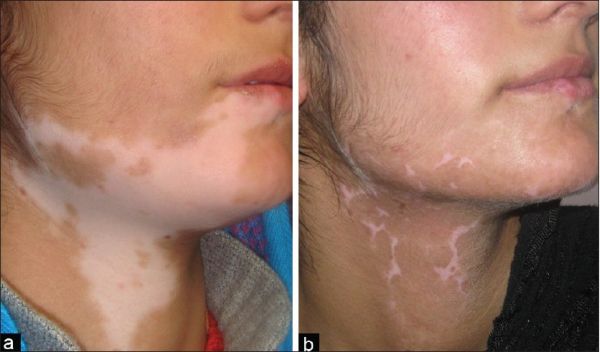
Skin Care for Vitiligo: Sun Protection, Moisture, and Gentle Coverage
Most vitiligo skin care advice online is either too vague or too salesy. The basics matter more.
Vitiligo itself does not usually cause pain, but depigmented areas are more vulnerable to sunburn and often feel drier or more reactive after treatment. A good routine should do three things:
- protect the skin from UV damage
- support the skin barrier
- make coverage easier if you want it
1. Sun protection comes first
This is the most important part of a vitiligo-friendly skin routine.
Depigmented patches have far less natural protection from ultraviolet light, so they burn faster than surrounding skin. Even if your goal is repigmentation, unplanned sun exposure is not the same thing as controlled phototherapy.
What to look for in a sunscreen:
- broad-spectrum protection
- SPF 30 or higher, ideally SPF 50 for exposed areas
- a formula you will actually use every day
- minimal irritation around sensitive patches
Mineral sunscreens with zinc oxide are often a good place to start, especially if your skin is reactive.
If you want product-specific help, see Best Sunscreen for Vitiligo. For daily facial use, EltaMD UV Clear SPF 46 is consistently the top dermatologist recommendation — transparent zinc oxide with no white cast.
2. Keep the skin barrier comfortable
Vitiligo skin does not need exotic ingredients. It usually benefits more from consistency than complexity.
A simple moisturizer can help by:
- reducing dryness and tightness
- making active treatments easier to tolerate
- improving the overall feel and appearance of the skin
Look for moisturizers with ingredients such as:
- ceramides
- glycerin
- hyaluronic acid
- petrolatum or other occlusives if your skin is very dry
Fragrance-free products are usually the safest choice when patches are irritated or when you are already using prescription topicals.
If you want a shortlist of stronger options, see Best Moisturizer for Vitiligo. CeraVe Moisturizing Cream is the most widely recommended starting point — ceramide-rich, fragrance-free, and affordable enough to apply generously.
3. Be careful with actives and DIY remedies
This is where a lot of people accidentally make things harder.
If your skin is already dealing with:
- topical steroids
- tacrolimus
- ruxolitinib
- phototherapy
then adding extra acids, scrubs, peels, or random internet remedies can push the skin into irritation.
That does not mean every active ingredient is bad. It means you should be cautious about stacking too many variables at once.
As a general rule, I would prioritize:
- sunscreen
- moisturizer
- your prescribed treatment plan
before adding anything experimental.
4. Coverage products are a valid part of skin care
I think a lot of people underestimate how helpful a good cover product can be. Not because anyone has to hide their skin, but because there are days when reducing contrast simply makes life easier.
Good camouflage products can help with:
- weddings or formal events
- interviews and work situations
- photos
- everyday confidence
If that matters to you, see Best Concealer for Vitiligo. For body patches, Dermablend Leg & Body Makeup is the most widely-used formula — covers stark white patches in one layer and sets transfer-resistant.
5. A simple routine is usually enough
If you are overwhelmed, start here:
Morning
- gentle cleanse if needed
- moisturizer
- sunscreen on exposed areas
Evening
- remove sunscreen or makeup gently
- prescribed treatment if you use one
- moisturizer
That is enough for most people.
My take
Vitiligo skin care is not about chasing a miracle cream. It is about reducing damage, keeping your skin comfortable, and making your actual treatment plan easier to stick with.
If you want a broader overview of what sits where, including phototherapy, prescriptions, supplements, and cosmetic coverage, start with the Vitiligo Treatment Comparison Guide.
