
Vitiligo Diagnosis and Treatment: What Usually Happens Next
One of the most common questions people ask is: how is vitiligo diagnosed, and what happens after that?
The honest answer is that diagnosis is often straightforward for a dermatologist, but treatment decisions can take longer because there is no single best option for everyone.
How vitiligo is usually diagnosed
Diagnosis usually starts with a clinical exam. A dermatologist will look at:
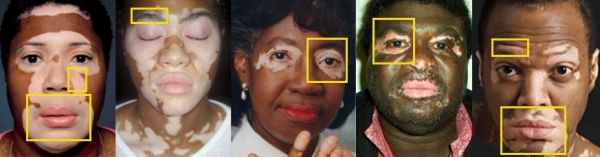
- where the pigment loss is happening
- whether the borders are sharply defined
- whether the patches are symmetrical or one-sided
- whether hair in the area is also losing pigment
- how quickly the changes appeared
They may also ask about:
- family history of vitiligo
- thyroid disease or other autoimmune conditions
- recent skin injury, stress, or illness
- whether the patches itch, burn, or stay stable
Tests that may be used
Not everyone needs extra testing, but sometimes a dermatologist may use:
A Wood’s lamp exam
This uses ultraviolet light to make pigment loss easier to see, especially in lighter skin tones or in early cases.
Blood tests
These are often used to look for associated autoimmune issues, especially thyroid problems.
A biopsy
This is less common, but it may be used when the diagnosis is uncertain and another skin condition needs to be ruled out.
Conditions that can be confused with vitiligo
A few things can look similar at first glance:
- tinea versicolor
- post-inflammatory hypopigmentation
- pityriasis alba
- chemical leukoderma
That is one reason a real dermatology appointment matters more than trying to diagnose yourself from photos online.
If you are still in the “is this actually vitiligo?” stage, Using Wood’s Lamp to Detect Vitiligo is a helpful companion read.
What treatment conversations usually include
Once vitiligo is confirmed, the next conversation is usually about goals:
- are the patches stable or still spreading?
- are they on the face, body, hands, feet, or scalp?
- how much surface area is involved?
- is the priority repigmentation, slowing spread, camouflage, or all three?
That is why two people with the same diagnosis can leave with different treatment plans.
Common treatment categories
Topical treatments
These are often used for smaller areas or facial patches. Common examples include:
- topical corticosteroids
- tacrolimus
- ruxolitinib
Each has its own tradeoffs. Steroids can work, but they are not ideal for long-term use everywhere. Tacrolimus is often discussed for the face. Ruxolitinib is newer and more targeted, but cost and access can be limiting.
Phototherapy
Narrowband UVB is one of the most evidence-supported treatment options for vitiligo, especially when larger areas are involved.
It usually requires:
- consistency
- patience over months
- careful dosing
If this is the path you are exploring, How to Start Narrowband UVB at Home Safely is the better next read.
Surgical options
Surgery is generally reserved for carefully selected cases, especially when vitiligo has been stable for a long time and has not responded to other treatments.
It is not the first step for most people.
Camouflage and support strategies
These matter more than some doctors acknowledge.
That can include:
- sunscreen — especially important since depigmented patches burn faster
- cosmetic cover products
- counseling or emotional support
- photography and progress tracking
A treatment plan is still a treatment plan even if part of it is about making daily life easier.
What I would be cautious about
A lot of people, especially right after diagnosis, get pulled toward anything that sounds natural, ancient, or guaranteed. I understand the impulse. But this is where it helps to slow down.
If a treatment page promises a cure, treats a case report like proof, or asks you to spend a lot of money before explaining the evidence, I would be skeptical.
My take
The biggest mistake is thinking diagnosis is the finish line. It is really the beginning of figuring out your pattern of disease, your goals, and how much treatment burden you can realistically carry.
If you want the shortest path to the big picture, start with the Vitiligo Treatment Comparison Guide. It gives you the main options, the level of evidence behind each one, and where people usually start.
