
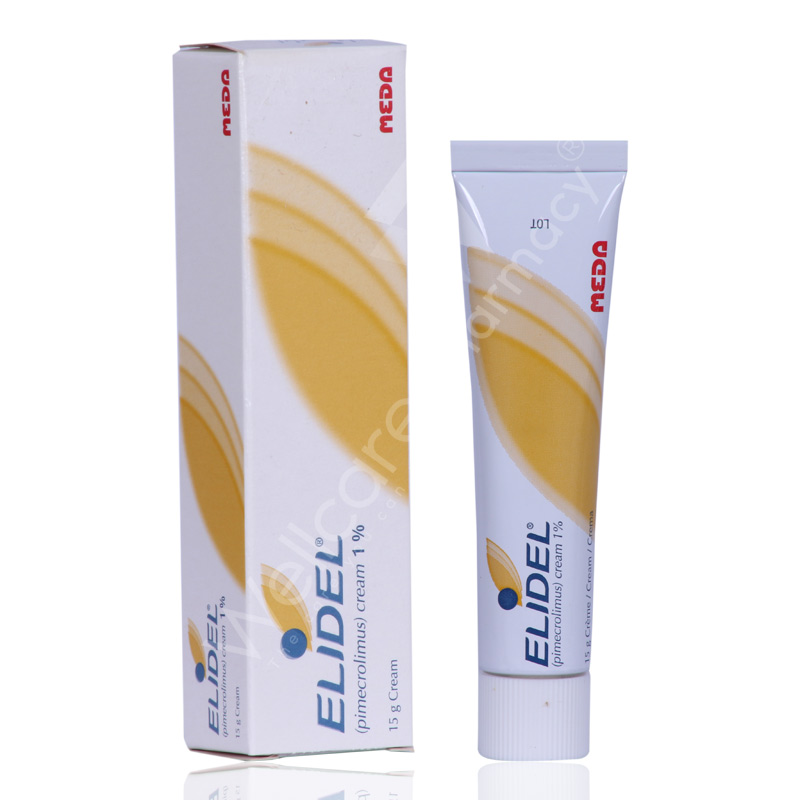
Can Elidel Help Treat Vitiligo?
Elidel comes up in vitiligo searches because patients are often looking for non-steroid prescription options, especially for the face or other delicate areas.
That makes it worth understanding. It also makes it easy to oversell.
Where Elidel fits
Elidel contains pimecrolimus, a calcineurin inhibitor. In practice, people usually hear about it when a dermatologist wants to avoid or limit steroid use in sensitive areas.
That does not mean it is stronger than every alternative. It means it may be useful in specific situations.
What it can and cannot do
The careful version is:
- it may help some patients as part of treatment
- it usually requires consistency and time
- it is not a guaranteed repigmentation cream
- it should not be treated like a cosmetic product
- daily sunscreen remains essential alongside any topical treatment
Those points sound less exciting than affiliate-style treatment pages, but they are much more useful.
Elidel versus tacrolimus
Patients often end up comparing Elidel with tacrolimus because both sit in the calcineurin-inhibitor conversation. That comparison usually belongs with your dermatologist, because the better option depends on:
- the patch location
- how sensitive the skin is
- how you tolerate the product
- the broader treatment plan
When this page is actually useful
I think Elidel pages are helpful only if they answer the real patient questions:
- Why would a dermatologist choose this?
- Is it mainly for sensitive areas?
- How long should expectations stay patient?
- What irritation is normal enough to watch versus severe enough to report?
That is the level where the guidance starts becoming practical.
My take
Elidel may be worth considering in the right context, but it should be framed as one tool among several credible prescription options. The more honest your expectations are, the less likely you are to bounce between treatments out of frustration.
If you want to compare it with related options, continue with:
