
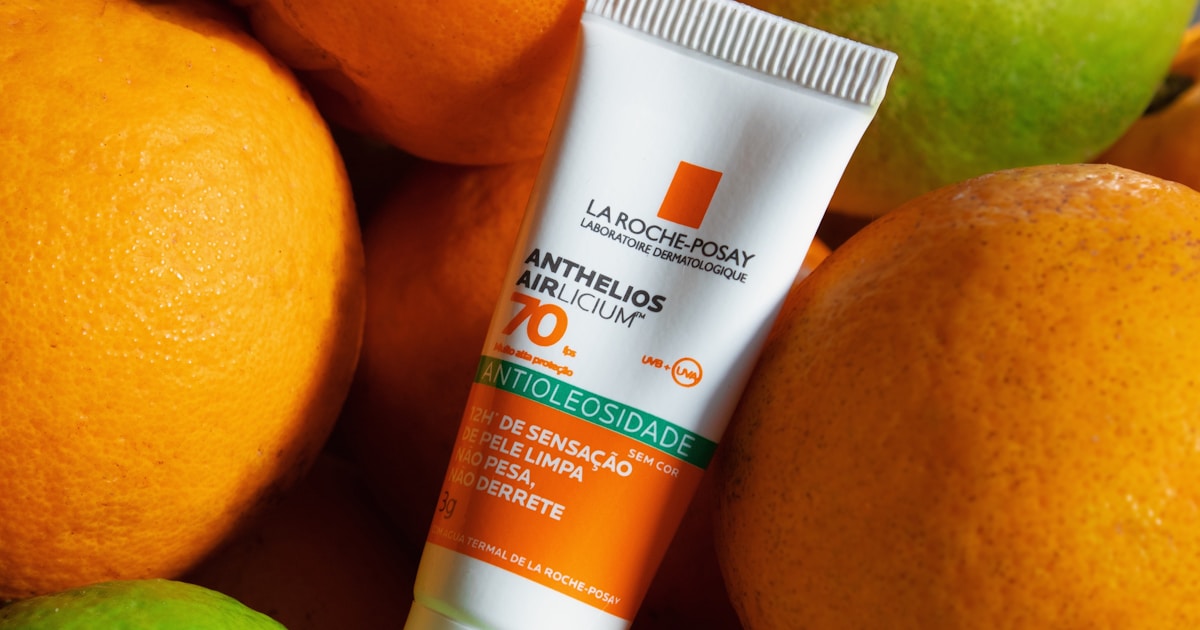
Sunscreen for Vitiligo During Pregnancy: What Is Safe and What to Use
Sunscreen is non-negotiable for vitiligo patients at all times — depigmented skin lacks the melanin that provides natural UV protection, burns faster, and is more vulnerable to UV-driven oxidative stress that may worsen the condition. During pregnancy, the guidance on which sunscreens to use becomes more specific.
This page covers what the evidence says about sunscreen safety in pregnancy, which ingredients to prioritize, which to reduce or avoid, and the practical products that fit both criteria.
Why sunscreen matters even more during vitiligo pregnancy
Several converging factors make sun protection especially important for pregnant patients with vitiligo:
Depigmented skin burns faster. Without melanin, vitiligo patches can burn with UV exposure that would only tan normally-pigmented skin. Sunburn is a Koebner trigger — meaning it can generate new vitiligo patches at the burn site.
Pregnancy hormones affect skin. Elevated estrogen and progesterone alter skin sensitivity and can influence melanocyte behavior. Many women with vitiligo notice changes in disease activity during pregnancy — some see stabilization, others see new patches. Minimizing UV triggers during this variable period is sensible.
Photoprotection reduces oxidative stress. H₂O₂ accumulation in vitiligo skin is amplified by UV exposure. Reducing that oxidative burden — particularly during pregnancy when the overall system is under additional demands — is consistent with the biology.
Melasma risk increases. Pregnant women are at higher risk of melasma (pregnancy mask), which involves UV-triggered hyperpigmentation. Using sunscreen rigorously reduces this risk alongside protecting vitiligo patches.
The pregnancy sunscreen question: chemical vs mineral
The primary concern during pregnancy is the absorption of chemical UV filters into the bloodstream. Several chemical sunscreen ingredients have been detected in blood, urine, and breast milk after topical application in FDA-sponsored studies.
This does not prove harm to a developing fetus — but it has shifted the evidence-based guidance toward mineral (physical) sunscreens as the preferred option during pregnancy.
Mineral sunscreens: preferred in pregnancy
Mineral sunscreens use zinc oxide and/or titanium dioxide as their UV-blocking agents. These work by reflecting and scattering UV light rather than absorbing it chemically.
Why they are preferred in pregnancy:
- Zinc oxide and titanium dioxide are not significantly absorbed into the bloodstream through intact skin
- Both have long safety records in dermatology
- The American College of Obstetricians and Gynecologists (ACOG) and most dermatology professional bodies recommend mineral sunscreens as the first choice during pregnancy
The practical trade-off: Mineral sunscreens have historically left a white cast — particularly noticeable on darker skin tones, but also on the contrast areas of vitiligo patches. Modern mineral formulations have improved significantly with micronized or tinted zinc oxide that blends better.
What to look for:
- Zinc oxide as the primary or sole active ingredient (zinc oxide alone covers both UVA and UVB; titanium dioxide alone is weaker on UVA)
- SPF 30–50 (50 recommended for vitiligo patients given the absence of melanin protection)
- Broad-spectrum (covers both UVA and UVB)
- Free of fragrance and unnecessary additives — pregnancy can increase skin sensitivity
Chemical sunscreen ingredients: which to limit or avoid
The ingredients with the most concern based on absorption data:
| Ingredient | Concern level | Notes |
|---|---|---|
| Oxybenzone | Highest — avoid | Detected at high levels in blood; hormone-disruption concern |
| Octinoxate | Moderate — limit | Detected in blood; some endocrine activity in studies |
| Homosalate | Moderate — limit | FDA has flagged for further safety assessment |
| Avobenzone | Lower concern | Absorbs systemically but less endocrine concern; some formulas acceptable |
| Octisalate | Lower concern | Often used as stabilizer; lower absorption concern |
| Octocrylene | Moderate | Can degrade into benzophenone (related to oxybenzone concerns) |
The highest-priority avoidance during pregnancy: oxybenzone. It is the most widely studied and shows the most consistent absorption + hormonal activity signals.
Note: the evidence for harm to human pregnancies from topical sunscreen is not established. The precautionary principle drives these recommendations — we simply do not have the long-term fetal studies, and mineral alternatives are available.
Recommended sunscreens for vitiligo during pregnancy
Mineral options (preferred)
EltaMD UV Pure SPF 47 (Mineral)
- Active: Zinc oxide 9% + Titanium dioxide 7%
- Broad-spectrum; no oxybenzone
- Goes on reasonably clear for a mineral formula
- Good choice for the face
CeraVe Hydrating Mineral Sunscreen SPF 30
- Active: Zinc oxide + Titanium dioxide
- Fragrance-free; contains ceramides for skin barrier support
- Gentle and well-tolerated
Blue Lizard Sensitive Mineral Sunscreen SPF 50+
- Active: Zinc oxide 10% + Titanium dioxide 6.5%
- Fragrance-free; designed for sensitive skin
- Good for body use on larger vitiligo patches
Safe mineral option in pregnancy
EltaMD UV Clear SPF 46
Contains niacinamide alongside zinc oxide for barrier support — one of the most dermatologist-recommended daily facial sunscreens, safe throughout pregnancy.
Check Price on Amazon- Note: contains a small amount of zinc oxide plus some chemical filters — check current formulation if oxybenzone-free is your priority
If you use a chemical sunscreen
If you are committed to a chemical sunscreen (easier application, no white cast on darker skin), prioritize formulas that:
- Are oxybenzone-free
- Use avobenzone + stabilizers rather than homosalate-heavy formulas
- Are still SPF 30+ broad-spectrum
Application tips for vitiligo patches during pregnancy
Apply generously. The SPF rating on a bottle assumes a full application of 2mg/cm² of skin — most people apply only a quarter of that, which roughly halves the effective SPF. For vitiligo patients, under-application leaves patches with even less protection than the label implies.
Reapply every 2 hours outdoors. UV protection degrades with sun exposure and sweating. For pregnant patients with vitiligo spending time outdoors, reapplication is essential.
Cover clothing helps. UPF 50+ clothing is as effective as sunscreen at blocking UV and requires no reapplication. For large body patches, sun-protective clothing (long sleeves, UPF fabric) reduces the total sunscreen needed.
Do not skip on overcast days. Up to 80% of UV penetrates cloud cover. Vitiligo patches need daily protection regardless of weather.
What about sunscreen on the face vs body during pregnancy?
The face tends to get more sun exposure and is more cosmetically prominent, so this is where the mineral-first recommendation matters most. Many pregnant patients use a mineral tinted sunscreen on the face (which doubles as light coverage makeup) and are more flexible on body formulas where the white cast matters less cosmetically.
Vitiligo treatments to pause during pregnancy
Separately from sunscreen, it is worth noting which vitiligo treatments should be discussed with your obstetrician during pregnancy:
- Narrowband UVB: Generally considered safe; widely used in psoriasis during pregnancy with no established fetal harm. Most dermatologists continue NbUVB during pregnancy if the patient was already using it.
- Topical corticosteroids: Low-to-moderate potency considered acceptable on limited areas. High-potency steroids on large areas are discouraged.
- Ruxolitinib cream (Opzelura): Not established as safe in pregnancy — the prescribing information advises against use. Discuss with your dermatologist.
- Tacrolimus / pimecrolimus: Limited pregnancy data; generally paused during pregnancy at most centers.
- Oral JAK inhibitors: Contraindicated in pregnancy.
This is a conversation to have with both your dermatologist and your OB/GYN when you become pregnant or are planning pregnancy.
Beth’s take
Sunscreen for vitiligo patients during pregnancy is straightforward in principle: switch to mineral (zinc oxide), use SPF 50, apply generously and daily. The complexity is in navigating white cast concerns, application texture, and the broader treatment pause decisions that pregnancy requires.
The protection is non-negotiable — unprotected depigmented skin during pregnancy accumulates UV damage and Koebner risk with every uncovered day outdoors.
For more on vitiligo sun protection:
