
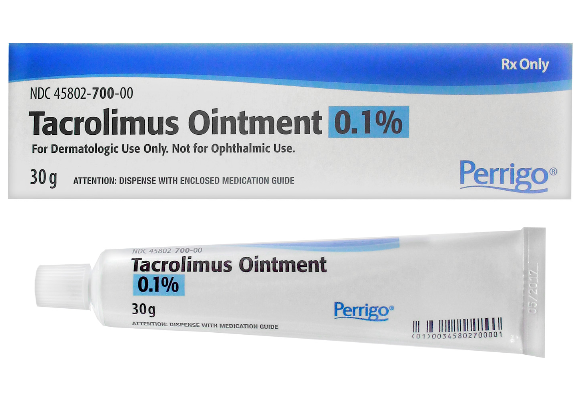
Tacrolimus Ointment for Vitiligo: Where It Fits Best
Tacrolimus ointment is one of the prescription treatments that comes up again and again in real vitiligo care, especially when the patches are on thinner or more delicate skin.
It is not exciting in the way newer treatments are exciting, but it is relevant, common, and worth understanding properly.
Where tacrolimus usually fits
Tacrolimus is often discussed for areas where long-term steroid use can be more problematic, such as:
- the face
- around the eyes
- the neck
- other thinner skin areas
That does not mean it is the right answer for everyone. It means it often has a practical role in the treatment conversation.
What patients should expect
The usual rhythm with tacrolimus is slower than people want. It often needs consistent use, patience, and sometimes a combination strategy rather than being treated like a stand-alone fix.
This is one reason people get discouraged too early. Vitiligo treatment often rewards consistency more than intensity.
Common questions worth asking
If your dermatologist recommends tacrolimus, I would ask:
- Is this mainly to stabilize the area, encourage repigmentation, or both?
- Is this a good choice for the location of my patches?
- Should it be used alone or with narrowband UVB?
- What irritation or burning is normal, and what is not?
That kind of clarity matters more than generic internet instructions.
Side effects and tradeoffs
Some people get burning, stinging, or irritation, especially early on. That does not automatically mean the medicine is wrong for you, but it does mean follow-up matters. Like most topical treatment pages, this one should not pretend the experience is identical for everyone.
Sun protection also still matters. Even when a cream is appropriate, it does not replace the basics — and a gentle moisturizer applied after treatment helps tolerance.
My take
Tacrolimus is one of those treatments that makes more sense the more grounded your expectations are. It is not flashy, but it is often genuinely useful, especially in the right location and as part of a combined plan.
For related treatment comparisons, continue with:
