
Vitiligo Diet and Repigmentation: What to Eat, What to Avoid, and What the Evidence Says
Diet comes up constantly in vitiligo communities, and with reason — it is one of the few areas where patients feel they have some control. The honest framing: food alone will not repigment your skin, but specific nutrient deficiencies are well-documented in vitiligo patients, and correcting them appears to support how well treatments work.
This is not a list of miracle foods. It is a rundown of what the research actually supports.
Does diet affect vitiligo repigmentation?
Directly: rarely. Indirectly: yes, for some patients. Correcting a genuine vitamin B12 or folate deficiency removes a known obstacle to melanocyte function. Optimising vitamin D supports immune regulation in an autoimmune condition. These are real effects, documented in clinical research — but they are supporting roles, not primary drivers.
The diet advice that claims “eat these 5 foods to repigment” is not backed by evidence. The more accurate version is: some specific deficiencies are common in vitiligo patients, and correcting them is worth doing.
Also known as leucoderma in South Asian medical tradition, vitiligo involves the same nutritional considerations regardless of what it is called. The same evidence applies.
What we know about nutrient deficiencies in vitiligo
Multiple studies have found that vitiligo patients are more likely to have low levels of certain micronutrients compared to people without the condition. The most consistently documented deficiencies are:
Vitamin B12 and folate (folic acid): Low levels are common in vitiligo patients. A frequently cited 1997 study by Juhlin and Olsson found that patients treated with B12 and folic acid — combined with sun exposure — showed repigmentation. The proposed mechanism is that deficiencies increase oxidative stress on melanocytes. Neither supplement will repigment on its own, but both are worth checking at diagnosis.
Vitamin D: Significantly lower in vitiligo patients than controls in multiple studies. Vitamin D has immunomodulatory effects, which is relevant because vitiligo is an autoimmune condition. Routine supplementation is reasonable given how common general population deficiency is.
Zinc and copper: Both are required for melanin synthesis. Tyrosinase — the enzyme that produces melanin — depends on copper as a cofactor. Low zinc and copper have been found in both the serum and depigmented skin of vitiligo patients in several studies. Zinc also has antioxidant properties.
Iron: Reduced iron levels have been documented in some studies of vitiligo patients, though the evidence is less consistent than for the nutrients above.
Nutrients worth prioritising in your diet
Based on the deficiency data, these are the nutrients most worth getting enough of:
B12: Meat, fish, shellfish, eggs, dairy. Vegans and vegetarians are at higher risk of deficiency and should supplement. A reliable vitamin B12 supplement corrects this within weeks.
Most consistently documented deficiency
Vitamin B12 Supplement
Corrects a confirmed deficiency within weeks — most useful for vegans, vegetarians, and anyone whose bloodwork comes back low.
Check Price on AmazonFolate (natural form of folic acid): Leafy green vegetables, beans, lentils, asparagus, avocado. Widely available in a varied diet. If you want to supplement, folic acid is inexpensive and well-tolerated.
Vitamin D: Oily fish (salmon, mackerel, sardines), eggs, liver. In practice, food sources are modest — most people with low D need a supplement.
Zinc: Meat, shellfish (especially oysters), nuts, seeds, legumes.
Copper: Shellfish, nuts, seeds, dark chocolate, organ meats. Copper deficiency from diet alone is rare.
Vitamin C: Citrus fruits, peppers, kiwi, strawberries. Vitamin C supports melanocyte function and collagen synthesis.
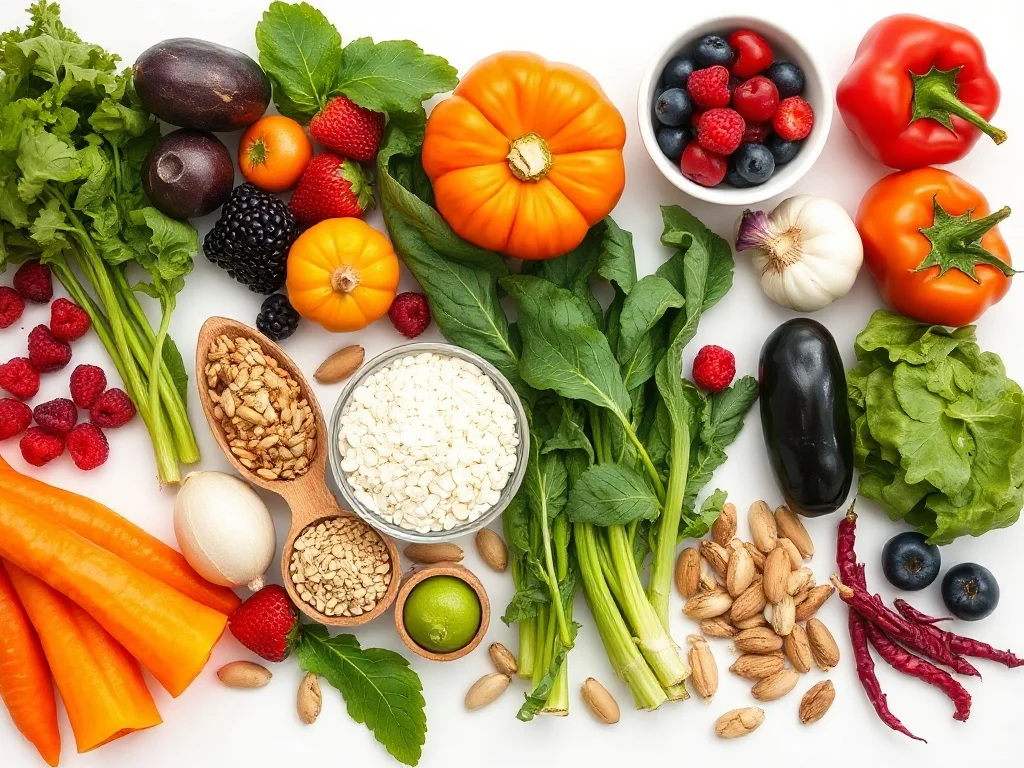
Antioxidants broadly: Colourful vegetables and fruits support immune regulation and reduce oxidative stress. This is not vitiligo-specific — it is just good nutrition.
Foods that may support repigmentation
No food directly causes repigmentation. These foods appear in the research as relevant because they correct the deficiencies most common in vitiligo patients or support immune regulation:
High B12 foods: Salmon, sardines, trout, eggs, dairy (Greek yoghurt, cheese), beef. Vegans and vegetarians should supplement — dietary B12 from plant sources is unreliable.
High folate foods: Spinach, edamame, asparagus, avocado, broccoli, lentils. Cooking destroys folate — eat some of these raw or lightly steamed.
Vitamin D foods: Salmon, mackerel, sardines, tuna, egg yolks, fortified milk. Food sources are modest — most people with vitiligo need a supplement, not just food sources. See Best Vitamin D Supplement for Vitiligo.
Zinc-rich foods: Oysters (by far the highest source), beef, pumpkin seeds, hemp seeds, chickpeas, lentils. If zinc levels are low, correcting through food takes time — a supplement (zinc 50mg) is faster when deficiency is confirmed.
Antioxidant-rich foods: Blueberries, dark leafy greens, walnuts, green tea, turmeric (in reasonable amounts). Support general oxidative balance.
Foods sometimes suggested to limit
Blueberries and pears are occasionally mentioned as problematic because they contain small amounts of natural hydroquinone, a depigmenting agent. The clinical evidence for this being meaningful at dietary levels is weak, but some practitioners suggest limiting them during active spread. Probably not worth worrying about unless you are eating very large quantities.
Turmeric: Some anecdotal reports of turmeric aggravating vitiligo, and curcumin has been studied for its ability to inhibit tyrosinase (the melanin-producing enzyme) in lab settings. The real-world effect at dietary amounts is uncertain. If you notice a correlation, it is worth testing; otherwise there is no strong reason to eliminate it.
Alcohol: Not vitiligo-specific, but alcohol depletes B vitamins, particularly folate and B12 — two nutrients already commonly low in vitiligo patients. Heavy regular use is worth reducing regardless.
What diet cannot do
Diet is not a treatment. It cannot replace phototherapy, topical JAK inhibitors, or other evidence-based interventions. The role of nutrition is best understood as supporting the environment in which treatments work, not as a standalone approach.
If you are already deficient in B12 or folate, correcting that deficiency may mean phototherapy sessions work better. That is plausible and worth doing. But eating more leafy greens instead of starting treatment is not a reasonable substitute.
Does eating fish with milk cause vitiligo?
No. This is a widespread belief in South Asian communities but there is no scientific evidence supporting it. Vitiligo is an autoimmune condition — it develops through genetic susceptibility and immune dysregulation, not through food combinations. The fish-and-milk idea has been studied and no causal link has been found. If you have vitiligo, you can eat fish and dairy together without worsening it.
This belief persists because vitiligo often appears during periods of life when dietary changes happen — but correlation is not causation.
A practical approach
- Get basic bloodwork done at diagnosis: B12, folate, vitamin D, zinc (ferritin/iron is worth checking too). A GP can order these.
- Correct any deficiencies through diet first where possible, supplements where not.
- Eat a varied, whole-food diet — no single food will make or break your outcome.
- Do not eliminate entire food groups based on internet advice without specific evidence it is relevant to your situation.
For more on which supplements have the most evidence behind them specifically for vitiligo:
